







The X-Series of FTIR Spectrometers
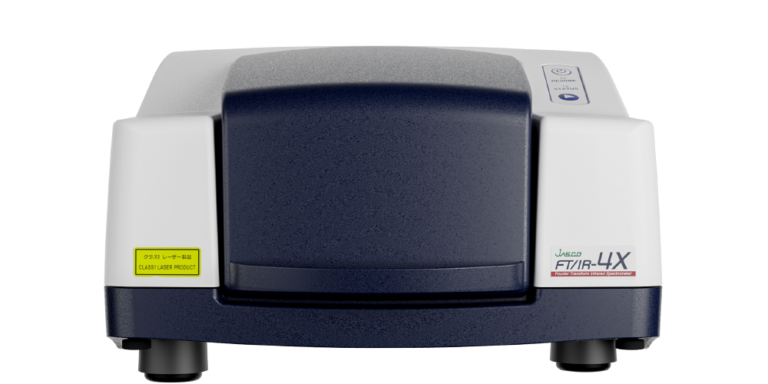
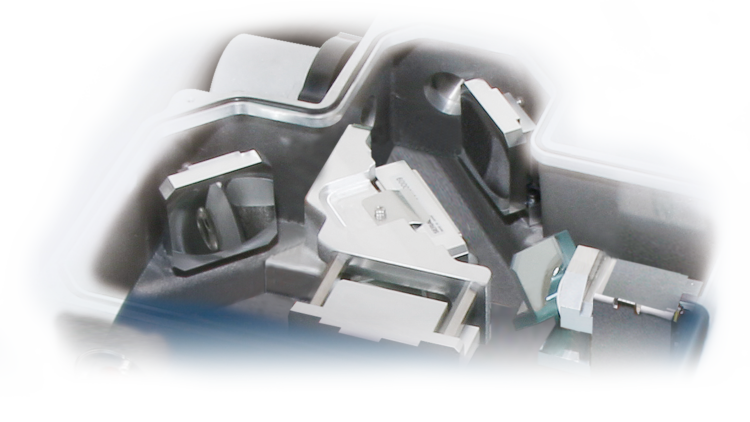
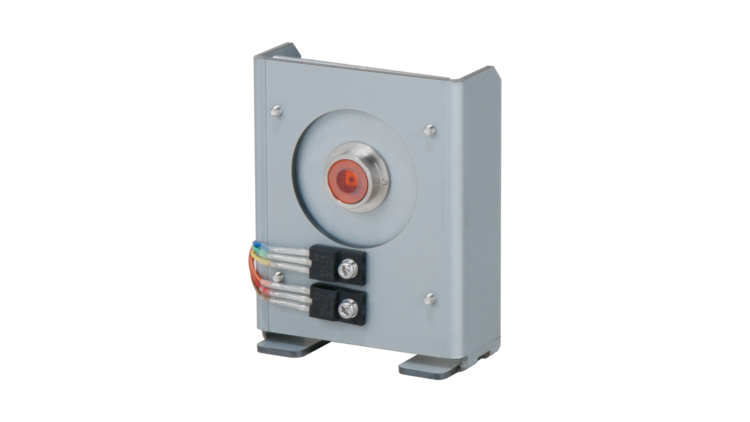
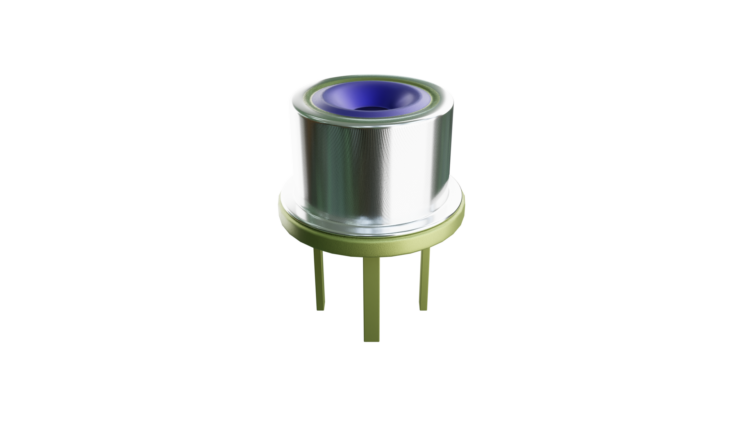
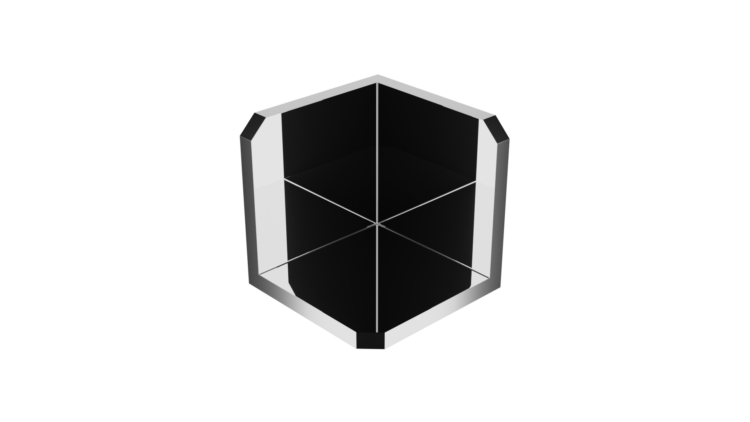
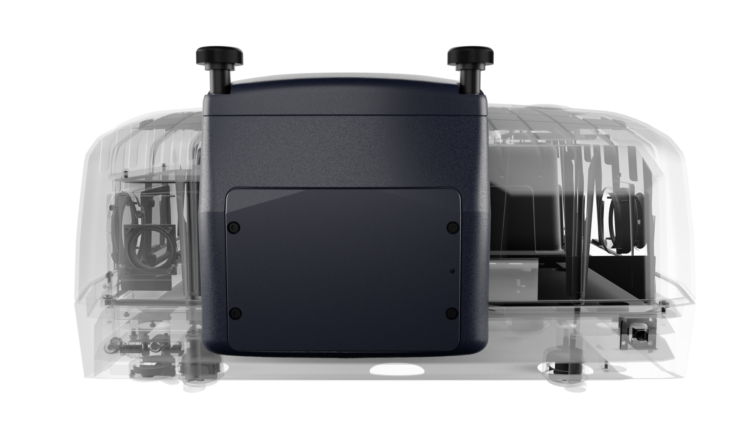
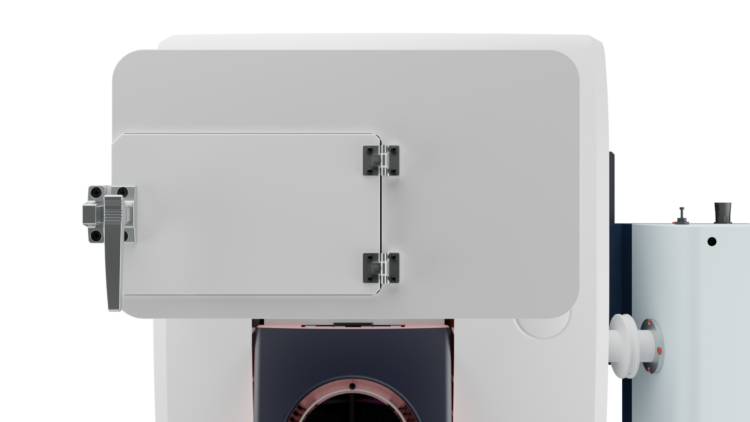
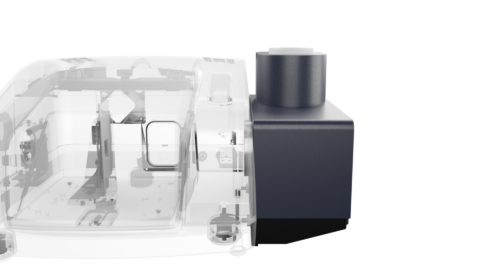
The FT/IR-4X FTIR spectrometer with 45° Michelson interferometer (including permanently aligned corner-cube mirrors, diode laser, and AccuTrac™ DSP technology). A broad range beam-splitter has excellent performance in the mid-IR with DLaTGS detector and non-hygroscopic KRS-5 windows. For higher sensitivity, an MCT detector is a good addition for accessories with low light throughput, such as long path-length gas cells. The standard Ge/KBr beam-splitter can be exchanged with one of several different options to extend the wavenumber range from 15,000 cm-1 in the NIR to either 220 or 50 cm-1 in the Far-IR.
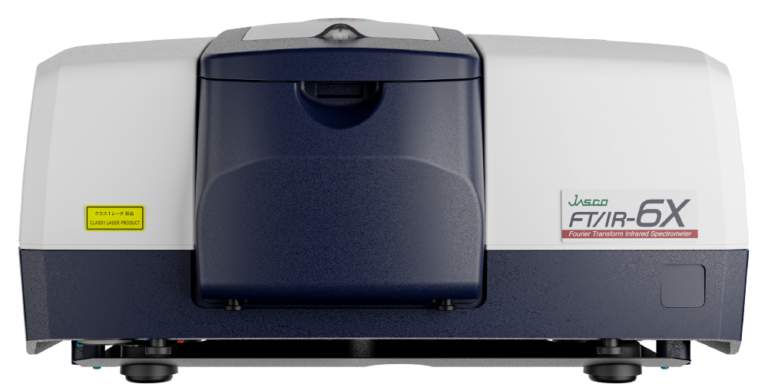
The FT/IR-6X FTIR spectrometer includes a more advanced optical system with a 28° Michelson interferometer (also with corner-cube mirrors, diode laser, and AccuTrac™ DSP technology), for high-resolution measurement an optional HeNe laser replaces the diode laser. The FT/IR-6X is designed for more challenging FTIR measurements such as custom sampling accessories with external detector, trace gas analysis, or emission characterization, which require higher throughput, and often require several beam-splitters and/or detectors.
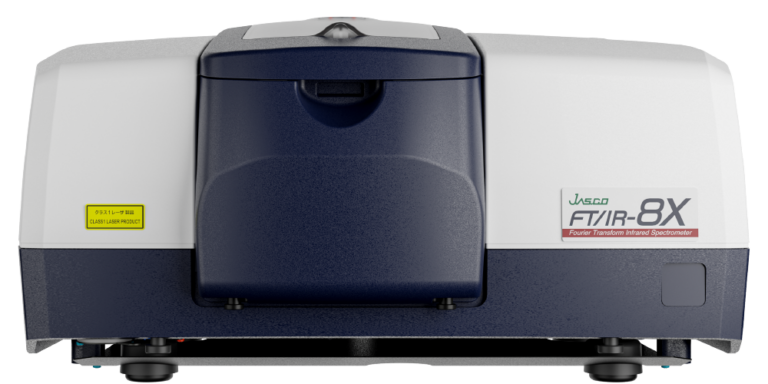
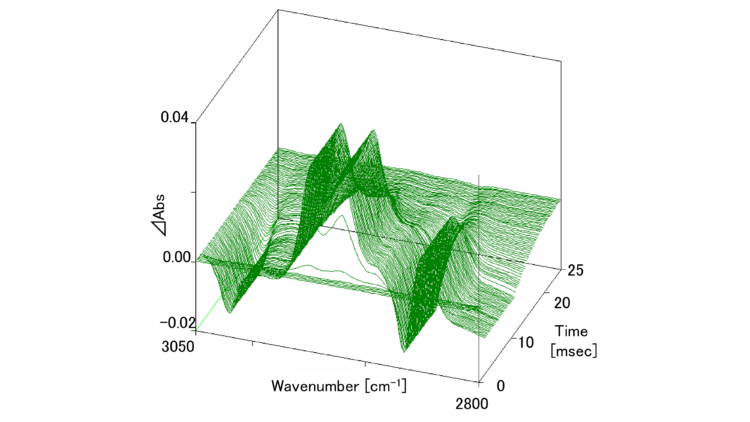
The FT/IR-8X FTIR spectrometer is more advanced and highly configurable, including a HeNe laser and gold-coated optics, operation is similar to the FT/IR-6X but it can also be configured for analyses that require extremely high sensitivity and resolution (down to 0.07 cm-1) or microsecond/nanosecond step-scan measurement.
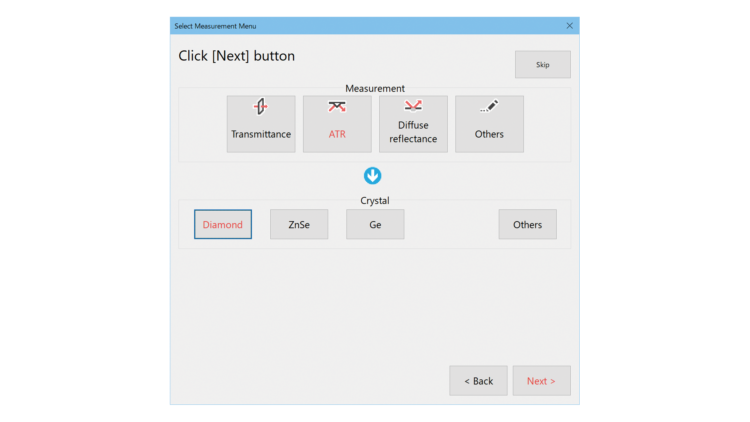
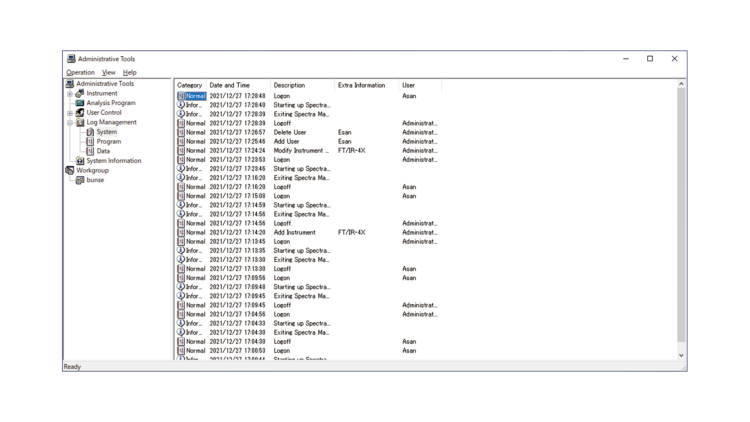
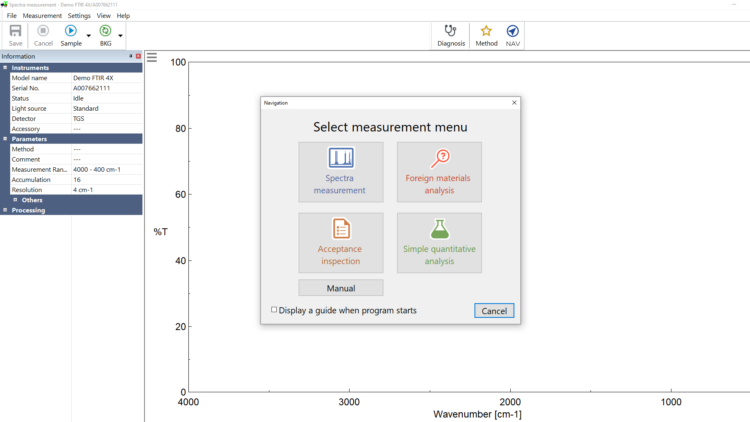
The X-Series of FTIR spectrometers takes advantage of many useful software applications in the intuitive Spectra Manager™ Suite with integrated search software solution, KnowItAll® Informatics, and database.
What Is an FTIR Spectrometer?
A Fourier Transform Infrared (FTIR) spectrometer is an analytical instrument used to quickly identify and characterize materials by measuring how they absorb infrared (IR) light. In simple terms, it shines infrared light through a sample and records which wavelengths are absorbed. Because different chemical bonds absorb IR light in unique ways, the resulting IR spectrum acts like a molecular fingerprint that reveals information about the chemical composition of the sample.
Common Applications Made Simple
FTIR spectrometers are widely used in industry, research, and quality control because they can identify what a material is made of and how much of each component is present. Typical uses include:
- Material identification in chemicals, polymers, and pharmaceuticals
- Quality control and verification of raw materials
- Environmental and forensic analysis
- Monitoring chemical changes during reactions
- Confirming molecular structure and functional groups
Each application leverages the fact that every unique substance produces a distinct IR absorption pattern.
Key Components:
- IR Source
- Interferometer
- Beam Splitter
- Sample Compartment
- Detector
- Computer/Software for Fourier Transform and analysis
FTIR Spectrometers System Features
Solutions by Workflow
Configure your X-Series FTIR spectrometer for the way you actually work. From routine QA to advanced research and emissions monitoring, JASCO systems can be tailored with the right model, detector, accessories, and software presets to match your application and user experience level.
QA/QC Laboratories
Fast, repeatable material verification
Best Fit: FT/IR-4X or FT/IR-6X
Common Add-Ons: ATR accessory, DTGS detector, library search + pass/fail presets
Ideal for raw material ID, batch release testing, and regulated workflows that require speed and consistency
- Designed for high-throughput, routine operation
- Minimal sample preparation
- SOP-driven software for compliance
R&D & Failure Analysis
High sensitivity for unknowns and complex samples
Best Fit: FT/IR-6X or FT/IR-8X
Common Add-Ons: FTIR microscope, cooled MCT detector, advanced analysis tools
Ideal for contaminant identification, polymer analysis, micro-sample testing, and materials research.
- Higher resolution and sensitivity
- Micro-analysis capabilities
- Advanced spectral processing
Academic Laboratories
Reliable, easy-to-use systems for instruction
Best Fit: FT/IR-4X
Common Add-Ons: ATR accessory, DTGS detector, educational software presets
Perfect for chemistry labs, materials science programs, and hands-on spectroscopy training.
- Simple operation for students
- Durable design for frequent use
- Pre-configured teaching methods
Environmental & Emissions Monitoring
Accurate gas and VOC analysis
Best Fit: FT/IR-6X or FT/IR-8X
Common Add-Ons: Long-path gas cells, heated gas cells, cooled MCT detector
Built for stack emissions, VOC detection, and environmental compliance testing.
- Sensitive low-level detection
- Gas-specific quantitative tools
- Automated reporting options
Find the Right Configuration
Whether you need a streamlined QA system or a fully configured research platform, JASCO will help you build an FTIR solution tailored to your workflow.
Request a consultation to match your application with the right X-Series configuration.
FTIR Spectrometers Accessories
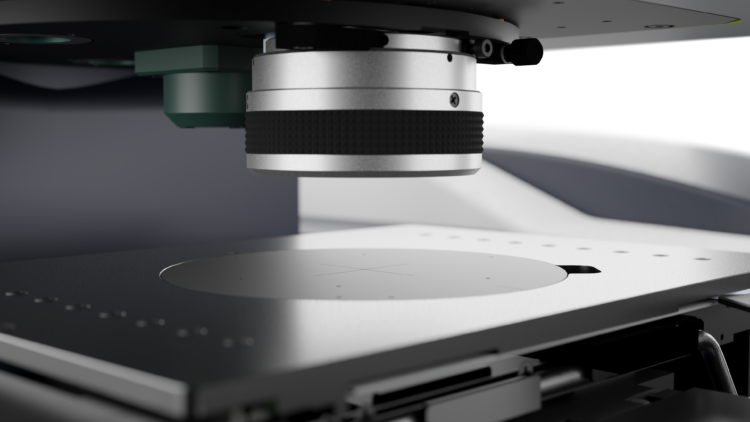
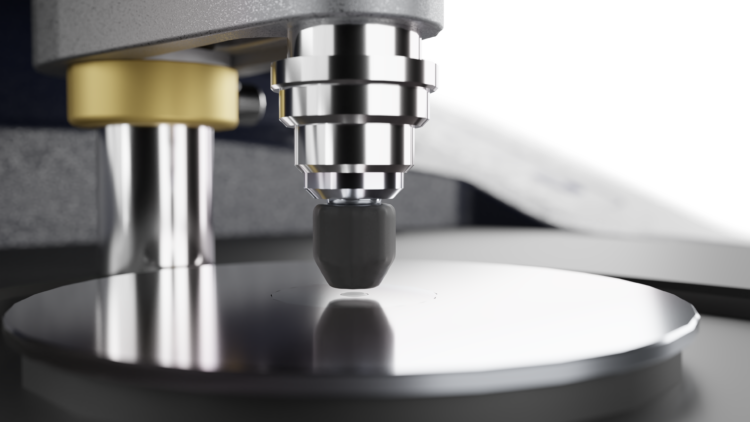
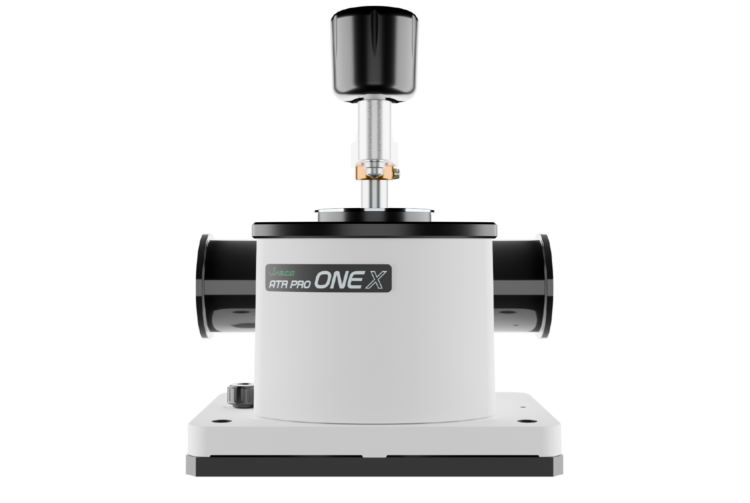
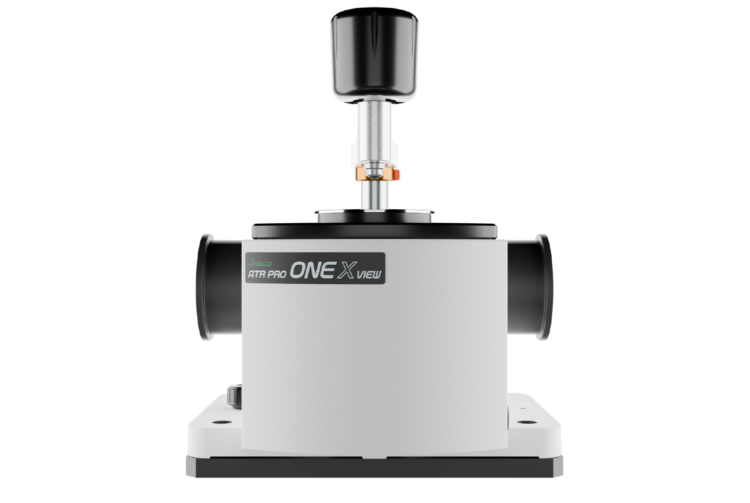
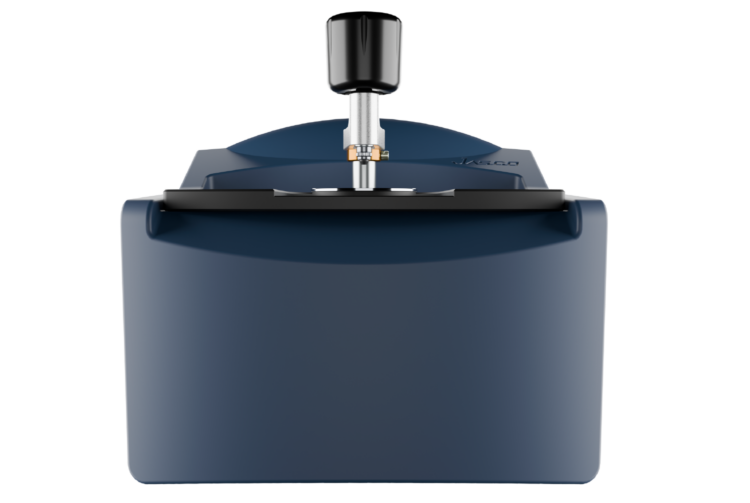
ATR Pro One X Series
FAQs
– Which FTIR configurations support rugged industrial or process environments and what performance can be expected?
FT/IR‑6X and FT/IR‑8X can be configured for industrial/process use with purge or vacuum options, long‑path gas cells, and external detectors. With appropriate conditioning, they provide high throughput, rapid scan up to 40–80 Hz, and sub‑ppm sensitivity for multi‑component gas analysis depending on path length and detector.
– What training and method development support are available for new users and QA/QC teams?
JASCO provides onboarding, application-specific method development, and Spectra Manager training, including CFR workflows for regulated labs. Service plans include preventive maintenance, remote support, and validation services (IQ/OQ/PQ).
– Can the systems be configured for bulk gas or trace impurity analysis across multiple channels?
Yes. FT/IR‑6X/8X platforms support multi‑channel gas analysis with automated sampling consoles, long‑path cells, and application methods for bulk gases (e.g., CO, CO2, H2O, NO, N2O). Detection limits and channel counts depend on optical path length, detector choice (e.g., MCT), and sampling configuration.